Om Timerr
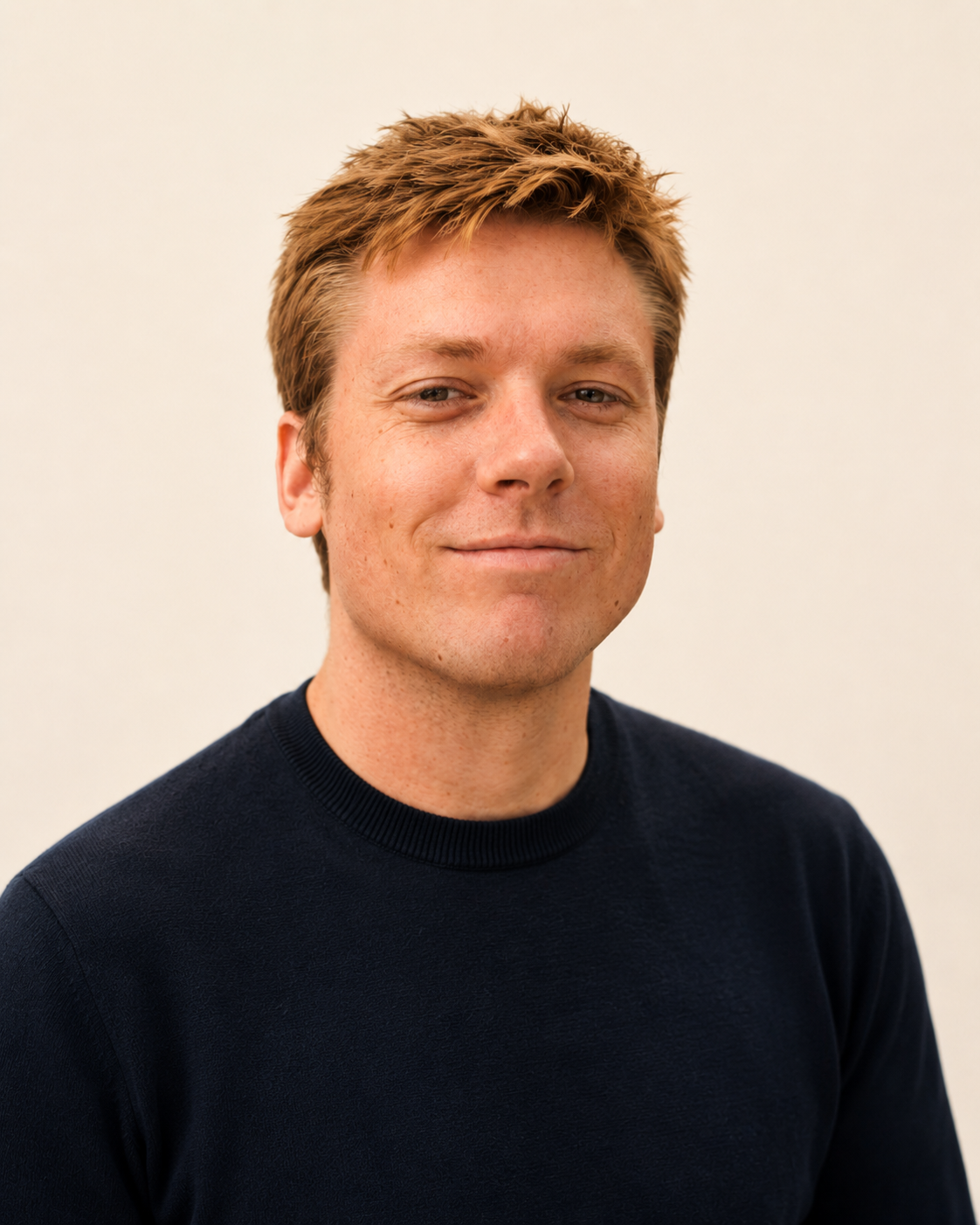
Mit navn er Mathias, og det er mig, der har bygget Timerr.
Her kan du læse hvorfor. Det er en historie om en fotograf, en mandag formiddag og en pære, der tændte.
Da Timerr startede som idé, så det meget anderledes ud end det produkt, du ser i dag. Jeg ville bygge et klippekort-værktøj, hvor man kunne sælge sine timer som en samlet pakke til en kunde, og hvor begge parter nemt kunne følge med i, hvor mange timer der var tilbage.
Det var den idé, jeg tog med ind i Innovationshuset hos UCN i Aalborg. Jeg var i praktik i min egen virksomhed, omgivet af andre iværksættere, der alle gerne ville prøve kræfter med at starte noget op selv.
En mandag formiddag faldt jeg i snak med en af de andre. Hun var fotograf, og mens vi delte små historier om weekendens eventyr, fortalte hun om et bryllup, hun havde fotograferet.
Hun havde fået en sum, der i mine studenterøjne lød af rigtig mange penge, for at knokle hele weekenden. Det var en vigtig milepæl i hendes karriere. Prisen var aftalt på forhånd med det lykkelige brudepar, der ønskede en masse billeder fra dagen. Men hun fortalte også om de to ekstra redigeringsrunder, de gerne ville have, om flere billeder fra festen end først aftalt, og om en mailtråd, der stadig kørte den mandag formiddag.
Jeg regnede lidt i hovedet og spurgte hende så, hvor mange timer hun egentlig troede, hun havde brugt på projektet.
"Det ved jeg faktisk ikke" svarede hun.
Og det kunne jeg kun nikke genkendende til. For hvordan logger man lige et kvarter her og en halv time der, mens man står midt i det?
Vi prøvede alligevel at sætte nogle rå estimater på. Transporten, redigeringen, de ekstra runder med de ønskede billeder, mailsne frem og tilbage. Og så regnede vi hendes reelle timepris ud. Den var styrtdykket i forhold til, hvad hun havde troet. Den store sum for projektet blev pludselig meget, meget lille, når man holdt den op mod alle timerne.
Der tændte en pære over hovedet på mig.
Hvorfor findes der ikke et forretningsværktøj til freelancere, der hjælper med præcis det her? Siden da har jeg fundet ud af, at det er et problem, rigtig mange kender, men næsten ingen kan se, mens de står midt i det.
Det er derfor Timerr findes
Timerr regner din effektive timepris ud (det du får for de fakturerbare timer) og din reelle timepris (det samme fordelt over al din tid, også transport, mails og rettelser). Forskellen er ofte 30-40%, og den er usynlig, lige indtil nogen regner den ud for dig.
Det er hele idéen: gør dit usynlige arbejde synligt, så du kan tage bedre beslutninger om pris, scope og hvilke kunder der faktisk er værd at sige ja til.
Rejsen
Den pære slukkede aldrig rigtig igen. Fra det øjeblik var Timerr ikke et sideprojekt længere, men midtpunktet i alt, hvad jeg lavede. Resten af studietiden, først datamatiker og senere en professionsbachelor i webudvikling på UCN, vinklede jeg mod Timerr, hvad enten det var skoleprojekter, eksamensopgaver (når jeg fik lov), praktik eller netværk.
Undervejs fik jeg endda et par praktikanter med på vognen, og sammen sad vi i timevis og talte med freelancere om deres hverdag, deres projekter og de steder, hvor det gjorde ondt. Det var her, det for alvor gik op for mig, hvor udbredt problemet var, og at jeg ikke bare havde fundet på det selv.
I juni 2023 stod jeg på Børsen i København til DM i Entreprenørskab. En tidlig version af Timerr fik et legat på 25.000 kr. fra Fonden for Entreprenørskab. Det var ikke pengene, der betød mest, det var bekræftelsen på, at jeg var på rette spor.
Siden da har jeg bygget Timerr om fra bunden mere end én gang. Versioner er blevet skrottet, idéer prøvet af og droppet, og hver gang er produktet blevet skarpere.
Det, du ser i dag, er resultatet af flere års arbejde med ét mål:
At gøre dit usynlige arbejde synligt.
Vil du se din egen rigtige timepris?
Prøv Timerr gratis, eller klik rundt i en live demo først. Ingen binding.